Broken Key Removal in Redditch
Across Redditch, from the post-war semi-detached estates of Hunt End to the Victorian terraces of Bordesley, we attend broken key removal with equal care for modern and period hardware. Most callouts involve euro cylinder keyways worn by daily use, though older mortice locks demand a gentler extraction technique. Once the fragment is out, we assess the mechanism and arrange replacement keys cut on the spot where possible.
- ✓ DBS-checked
- ✓ Fully insured
- ✓ Work guaranteed
- ✓ Local engineers
Urgent Broken Key Removal Support in Redditch
Keys tend to snap at the worst possible moment — dashing out the door, getting home late, or after the lock has been sticking for days or weeks without anyone dealing with it. When we respond to an emergency broken key job, there are two things we're focused on: getting you back inside, and making sure the door will lock properly afterwards.
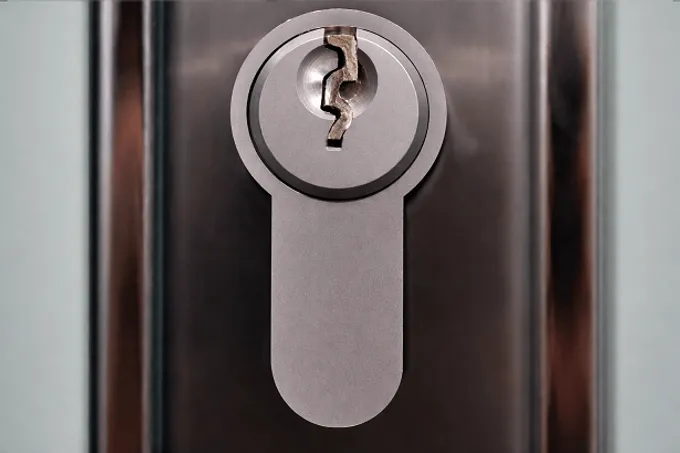
Locked out, or can the door still be opened? If the door itself won't open, we may need to use careful, damage-minimised opening methods before we can even get to the extraction. If the door does open but the key has snapped off inside, the priority shifts to keeping the lock steady so the fragment doesn't get pushed further in or knock the pins out of place. From there, we carefully work a suitable tool into the lock to catch and draw out the broken piece.
A few details you can give us that speed things up: what type of lock it is (uPVC/euro cylinder, mortice, night latch, padlock, or garage lock), whether the fragment is sticking out or sitting flush, whether the lock was already stiff before it snapped, whether the door is locked or just pushed shut, and whether there's a key sitting in the back of the lock — a common issue with euro cylinders.
None of this is box-ticking — it's how we settle on the right method fast and avoid forcing anything. It's worth mentioning that using household bits and pieces to try to fish the key out yourself can often leave you worse off than when you started.
How We Keep Broken Key Removal Damage-Free
The question most people ask is some version of "is this going to wreck my lock or my door?" Proper broken key removal is a controlled job, not guesswork. We're aiming to get the fragment out without widening the keyway, without harming the pins, and without turning a small snag into a full lock replacement. Keeping the lock lubricated as we work cuts down friction, which makes extraction safer and reduces the chance of causing more damage.
Step one — sizing up the break. Not every snapped key is the same. It might shear because it's old, bent, badly cut, or because the lock itself was binding. We check whether the lock is currently under tension from a partial turn, whether the door is sagging or pulling out of alignment, and whether the broken piece is stuck fast or moving freely — and if the key is properly lodged, that needs extra care. This tells us whether we can extract straight away or need to release tension first.
Step two — non-destructive methods, always tried first. When the fragment is reachable, specialist extractors combined with controlled tension usually lift it out cleanly. A broken key extractor, typically with a small hooked end, is fed into the lock to catch the fragment and draw it out safely. It's a job of precision rather than force, and in most cases the lock goes straight back to normal with nothing to show for it.
Step three — drilling only as a last resort. We don't default to drilling. It only gets considered once every non-destructive attempt has failed, when the fragment is jammed too deep, when the lock has already started failing internally, or when a previous DIY attempt has done damage. Even then, we aim to do the minimum necessary and keep the door and any still-functioning parts intact.
Step four — checks afterwards that stop the problem coming back. Once the fragment is out, we test that the key turns and inserts smoothly, look for sticking points or dead spots in the turn, inspect the mechanism for wear or damage, confirm the latch, bolt, or multipoint gearbox engages correctly, and check for wear on the pins, cam, or boltwork. This is where we find out whether you've dodged a cylinder replacement — or whether swapping it is the sensible, dependable move.
Different Broken Key Situations We See Across Redditch
Two snapped keys can look almost identical but need completely different handling. The specific situation dictates the method, how long it takes, and whether any parts need replacing. Whether the broken piece is easy to reach or buried out of sight also changes how we approach the job.
Protruding fragment versus flush or buried fragment. A piece sticking out slightly can usually be lifted out quickly with no fuss, though we still ease it out gently rather than yanking, so it doesn't get pushed deeper or cause more damage. A fragment sitting flush or pushed further in takes more delicate work, and how tricky it is depends on the lock's internal state — whether pins are engaged, tension is present, or the key snapped mid-turn. If you've already had a go at fishing it out with makeshift tools, that can drive it in deeper or scratch up the keyway, which adds time and can change what's possible.
A snapped key alongside a stiff or jammed lock. If the lock has been sticking for a while, the break is usually a symptom rather than the root cause. Common culprits include cylinder wear, insufficient lubrication (a bit of graphite powder in the keyhole reduces friction and lowers the odds of another break), the door and frame being out of alignment, resistance in the multipoint mechanism, or internal wear built up from being forced over time. In these cases, pulling the fragment out is only half the job — we also need to get the lock working reliably again, or the next key is likely to go the same way.
A key left in the back, or the door locked from inside. With euro cylinders, a frequent complication is a key sitting in the back, which can stop another key working from outside and makes extraction trickier. A similar issue crops up when the lock is engaged and the door has been locked from the inside. How we handle it depends on the cylinder's design, including whether it has an emergency function, and where the cam was sitting when the key snapped.
Things to consider with multipoint locking on uPVC doors. If the handle needs lifting to engage the hooks, rollers, or bolts, then how well the door sits in its frame matters — even a small drop can add resistance and contribute to a key snapping. Breaks here are often tied to modern keys made from materials such as nickel silver, which are non-magnetic and behave differently under certain extraction methods since they don't respond to magnets. Once the fragment is out, we always check the door locks smoothly through a complete cycle, not just that the key turns once.
Broken key removal by lock type
Locks fail in different ways, and the right way to extract a snapped key depends heavily on the hardware involved. How complicated the job is, and the method used, changes according to the type of lock.
uPVC doors fitted with Euro cylinders are the most common setup found across UK homes. These cylinders sit inside a handle set, usually working alongside a multipoint lock. Keys tend to break here because of a worn key blade (especially with older duplicates), wear or debris inside the cylinder, misalignment in the door adding extra resistance to the turn, or simply because the key snapped clean and became lodged inside the cylinder. Extraction is carried out carefully to protect the cylinder and keyway. Where the cylinder itself is worn or damaged, swapping it out is usually straightforward, and it is a good opportunity to upgrade to a higher security option at the same time.
Mortice locks are still widely fitted on older timber doors and some internal security doors. Snapped keys in these locks are often linked to stiff boltwork, worn levers (depending on the lock type), or a strike plate that is out of alignment. Extracting the fragment carefully matters, because damage inside the mortice case can leave the door locking unreliably or failing to latch at all. In some cases a thin blade, such as an adapted hacksaw blade, can be used as a makeshift tool to draw out the broken piece.
Night latches, the Yale-type rim locks often fitted as a secondary lock, can be sensitive to misalignment or a worn key. The focus during extraction is lifting the fragment out without harming the rim cylinder, and tools such as needle nose pliers or even a straightened paper clip can sometimes do the job. Testing the lock afterwards matters, because many night latches grow stiff over time, and that stiffness is often what encourages people to force the key, which is exactly what causes it to snap.
Padlocks, garage locks, and outbuilding locks are common places to find broken keys, particularly where damp, dirt, or cold weather have taken their toll. These jobs are often more straightforward, though heavy corrosion can mean fitting a new lock makes more sense than coaxing a failing mechanism back into use. A strong magnet or a jigsaw blade is sometimes enough to pull a snapped key fragment free from a padlock or garage lock.
New lock or can it be repaired
One of the first worries after a key snaps is cost, will this mean replacing everything. Often it will not. The real answer depends on what caused the break in the first place and the condition of the lock once the fragment has been removed. Sometimes a new key can even be cut using the broken key as a template, depending on its condition and the duplication methods available.
Replacement becomes more likely when the lock has internal damage, to the pins, cam, or boltwork, and stays stiff even after the fragment is out; when a previous DIY attempt has warped the keyway or left an extractor tool snapped inside; when other extraction methods have already been tried without success; or when the lock was already unreliable before the key broke, turning intermittently, jamming, or sticking.
Replacement can usually be avoided when the lock was turning smoothly before the key snapped, when the fragment came out cleanly with no damage to the keyway, and when the real problem was simply a worn key rather than a failing lock.
Where a Euro cylinder needs replacing, that does not mean the whole door lock has to go. A replacement cylinder can be matched correctly to the door and handle set, and chosen to boost security and cut down on future problems. Options can include better resistance to snapping and a smoother action, depending on the model, and suitable replacement cylinders are often available from a local hardware store.
In certain situations, especially where security is a worry, rekeying or fitting a new cylinder lets you change the working keys without replacing the whole lock case or the multipoint gearbox.
After a breakage, many households realise they have been relying on one worn key or a poor copy for years. Cutting a fresh key from the correct blank, rather than duplicating a tired copy again, tends to turn more smoothly and puts less strain on the lock.
What affects the price of broken key removal in Redditch
Broken key removal is generally charged as a call-out fee with variables depending on the complexity of the job and any parts needed. The price can also reflect the skill required of a professional locksmith to free the key, particularly when specialist tools come into play. The most useful pricing discussions are the ones that set out clearly what is covered and what might change once the locksmith is on site.
Most call-outs include the locksmith attending in Redditch, an assessment of the lock type and where the key has broken, an extraction attempt using non-destructive methods wherever possible, basic testing of the lock afterwards, and advice on whether a repair, adjustment, or full replacement makes more sense. Where parts are needed, most commonly a new cylinder, these are usually costed separately.
Several things can move the final price: attending out of hours (late evening, weekends, bank holidays), how deep the fragment sits, whether it is protruding or flush and buried, how stiff or jammed the lock is, the complexity of the lock type (multipoint systems can need extra checks), and any further work needed to leave the lock reliable, such as alignment adjustments or a cylinder swap.
A transparent breakdown avoids nasty surprises and helps you weigh up whether repair or replacement gives better value.
How long the job takes depends on the scenario. A protruding fragment in an otherwise healthy lock can be sorted quickly. A flush fragment in a stiff lock, or a lock that has already been damaged by a DIY attempt, will take longer. Expect some of that time to go on testing and adjustment afterwards too, since the goal is not just getting the key out but leaving the lock working properly.
Broken Key Removal Prices in Redditch
Below is a guide to typical charges in Redditch, covering average time on site, standard hours pricing (7am to 6pm), and out-of-hours rates (6pm to 7am).
Broken key removal, fragment protruding: around 45 minutes on site, from £59 in standard hours or £99 out of hours. Non-destructive extraction is used wherever possible, with the lock tested once the fragment is out.
Broken key removal, fragment flush or buried: roughly 1 hour 15 minutes, from £74 standard hours or £124 out of hours. This is a more delicate extraction, and function checks on the lock are included.
Broken key removal from a stiff or jammed lock: around 1 hour 30 minutes, from £89 standard hours or £149 out of hours. Covers an assessment of what is causing the binding, plus advice on next steps.
Locked out because of a snapped key, door opening plus extraction: around 1 hour 30 minutes, from £89 standard hours or £149 out of hours. Entry is managed to minimise damage where possible, with secure re-locking checked afterwards.
Locked out on a uPVC multipoint door with the system engaged, plus extraction: roughly 1 hour 45 minutes, from £104 standard hours or £174 out of hours. The multipoint cycle is checked afterwards, and alignment resistance can affect how long the job takes.
Euro cylinder with the key left in the back, plus extraction: around 1 hour 30 minutes, from £89 standard hours or £149 out of hours. This depends on the cylinder type and any emergency function, so it is assessed case by case.
Mortice lock broken key extraction on a timber door: roughly 1 hour 15 minutes, from £74 standard hours or £124 out of hours. Extraction is done carefully to avoid internal damage, and operation is tested afterwards.
Night latch, Yale-type rim lock, broken key extraction: around 1 hour, from £59 standard hours or £99 out of hours. The focus is on protecting the rim cylinder, with smooth turning checked afterwards.
Padlock, garage lock, or outbuilding broken key extraction: around 1 hour, from £59 standard hours or £99 out of hours. Weather and corrosion can add complexity, and replacement may be recommended, with parts charged extra.
Safe entry standards, trust, and quality of workmanship
Locksmith work always involves access to someone's property, so professional standards go beyond just having the right tools, they are about safety, verification, and accountability.
A genuine locksmith will usually take reasonable steps to check occupancy or authorisation, especially before opening a door. This protects the people living there and helps stop emergency locksmith services being misused.
Because removing a broken key can involve handling door hardware and security fittings, it is fair to expect the work to be insured and carried out with care around finishes, handles, and cylinders. This matters even more when the lock is delicate, high-security, or forms part of a multipoint mechanism.
A decent service is not just about getting the key out, it is about leaving the lock turning smoothly and locking securely. Where parts are fitted or adjustments made, solid workmanship and a sensible guarantee give you confidence the repair is built to last, not just a temporary fix to get you through the night.
For business premises, a broken key can disrupt access control and day-to-day security. In these settings, things like restricted areas, key control, and making sure the final fix restores secure access without creating new weak points all need to be considered.
How to avoid a repeat key breakage
A snapped key rarely happens for no reason - sorting out what caused it can lower the odds of it happening again, and may stop the whole lock failing further down the line. When lubricating a lock, steer clear of oil-based products, as they attract grime and cause wear over time; a silicone-based lubricant is the better option, particularly for locks fitted outdoors, since it cuts friction while keeping the lock in good working order.
Old keys don't last forever, and copies cut from an already worn key usually turn out worse rather than better, adding extra resistance inside the keyway. Swapping a heavily worn key for a fresh one can make the lock noticeably easier to turn.
uPVC doors can sag slightly with age. If you find yourself forcing the handle up, pushing or pulling the door to line it up, or jiggling the key before it will lock, misalignment could be putting strain on both the mechanism and the key itself. A small adjustment can take the pressure off and let the lock run smoothly again.
Not every spray on the shelf is meant for locks. Too much lubricant can trap dirt and grit, making things worse rather than better. Where a lock stays stiff no matter what you try, it's worth sorting out the root cause instead of repeatedly masking it.
Winter tends to be hardest on padlocks, garage locks, and anything fitted outside. Damp and debris build up resistance, which often tempts people to force the key - and forcing is usually what makes a key snap in the first place.
Common questions on freeing a snapped key in Redditch
Is it possible to remove a broken key myself?
Sometimes, though it's easy to turn a small problem into a bigger one. Typical DIY mistakes include using superglue (which seeps into the keyway and jams the pins), drilling into the lock without knowing what you're doing (causing permanent damage), using makeshift tools that scratch the keyway or push the fragment further in, and snapping an extractor tool inside the cylinder. If the fragment sits flush and the lock is already tight, attempting it yourself can turn a straightforward extraction into a full lock replacement.
What's the first thing I should do once the key snaps?
Try not to keep turning the lock or pushing anything else into it, as this can drive the fragment further inside. Hold onto any pieces of the broken key, and make a note of whether the lock felt stiff beforehand. If the door is left insecure, get it properly secured once the fragment has been taken out.
Does the lock always have to be drilled out?
Not necessarily. Non-destructive entry methods are generally tried first. Drilling only comes into play as a last resort - typically when the lock is already compromised, the fragment is badly stuck, or an earlier attempt has already damaged the keyway.
What happens if another key is left in the lock on the other side?
It comes down to the type of cylinder and where the cam is sitting. Some euro cylinders can still be worked from the outside even with a key inserted on the other side, while others can't. It's a situation we come across often and deal with according to the lock in question.
Does a snapped key mean the whole lock needs replacing?
Not usually. On most uPVC doors, swapping the euro cylinder alone does the job, if a replacement is even needed. For mortice locks, the lock case can often stay in place as long as there's no damage inside.
Do you deal with padlocks and garage locks as well?
Yes, snapped keys in padlocks and garage locks come up regularly. Rust and weather exposure sometimes mean replacement is the safer option, but extraction is often achievable depending on the lock's condition.
Is it the landlord or the tenant who's responsible?
That depends on what the tenancy agreement says and what caused the break. A lock that's faulty or worn through normal use is usually treated as a maintenance issue, whereas damage caused by misuse might be handled differently. Keeping the broken key and noting any prior stiffness can help establish which applies.
Local knowledge
In Redditch
Across Hunt End and the council estates around Church Hill North, the majority of front and back doors are fitted with uPVC frames and Euro cylinder locks, a standard that makes key extraction relatively straightforward once the mechanism has been assessed. When a key snaps inside the keyway, forcing the remaining fragment risks damaging the cylinder itself. Our approach involves careful extraction using specialist tools suited to the specific keyway profile, followed by a test of the mechanism before any replacement keys cut are handed over.
Park Farm's mix of 1960s and 1970s semi-detached housing presents similar Euro cylinder arrangements, though age and weathering can make extraction more involved where the cylinder has not been replaced in some years. In these cases we often recommend fitting a new cylinder to current British Standard specification alongside the extraction itself, particularly where the existing lock shows signs of wear beyond the broken key.
Walkwood's older properties, along with the Victorian terraces nearer Bordesley, more frequently rely on mortice locks rather than cylinder systems. Extracting a snapped key from a mortice mechanism demands a different technique, given the lever arrangement and the tighter tolerances involved. Where listed-building considerations apply, we take care to preserve the existing lock case wherever possible, sourcing period-appropriate replacement keys cut to match rather than defaulting to a full mechanism change.
Local FAQs
The key has snapped off in my front door lock and I cannot get the remains out. What actually happens during the extraction and will the lock survive it?
Key extraction typically involves specialist broken key extractors or fine hooks worked carefully along the keyway to draw out the fragment without pushing it further in. Most euro cylinders found across the semi-detached and estate properties in Hunt End and Ipsley survive this intact, though if the keyway is damaged or the cylinder has worn internally, replacing the euro cylinder to British Standard BS EN 1303 is often the sounder long-term option. We can usually advise which route applies once the fragment is examined.
My key snapped in an old mortice lock in a Victorian terrace in Bordesley. Does this need different handling to a modern uPVC lock?
Yes. Mortice locks in older terraces often have narrower, more delicate keyways and case-hardened components, so extraction requires slower, more careful manipulation than with a euro cylinder. Where the property falls under listed-building restrictions, any replacement mortice lock needs to match the period character and, where relevant, meet BS 3621 for insurance purposes, so this is worth confirming before work begins.
What affects whether a broken key job is a straightforward extraction or something more involved, cost-wise?
The main factors are whether the fragment can be removed cleanly from the keyway without damage, whether the cylinder or mortice mechanism has already been compromised, and how many replacement keys need cutting afterwards. A single euro cylinder extraction on a standard estate property in Crabbs Cross or Webheath is usually a contained job, whereas communal entrance systems in Lakeside flats can involve master-key considerations that add complexity.
Areas we cover in Redditch
Local engineers based around Redditch, covering:
- Greenlands
- Mount Pleasant
- Crabbs Cross
- Hunt End
- Enfield
- Lakeside
- Church Hill North
- Callow Hill
Postcode districts: B97 · B98